
















Remote healthcare services

Telemedicine platform development

We design remote patient-clinic services: appointments, communications, documents, payments, and integrations with existing healthcare systems.

Discuss the platform

We prepare an initial estimate within one business day after the clarification questions are answered.

Estimateafter discovery

We first define roles, journeys, integrations, and first-release scope instead of offering false precision before reviewing the systems.

Planbased on scope

The schedule depends on API readiness, roles, data migration, and launch requirements.

Patient application and healthcare platform experience

These cases demonstrate complex patient products and integrations; the telemedicine layer is designed around the client’s operations.

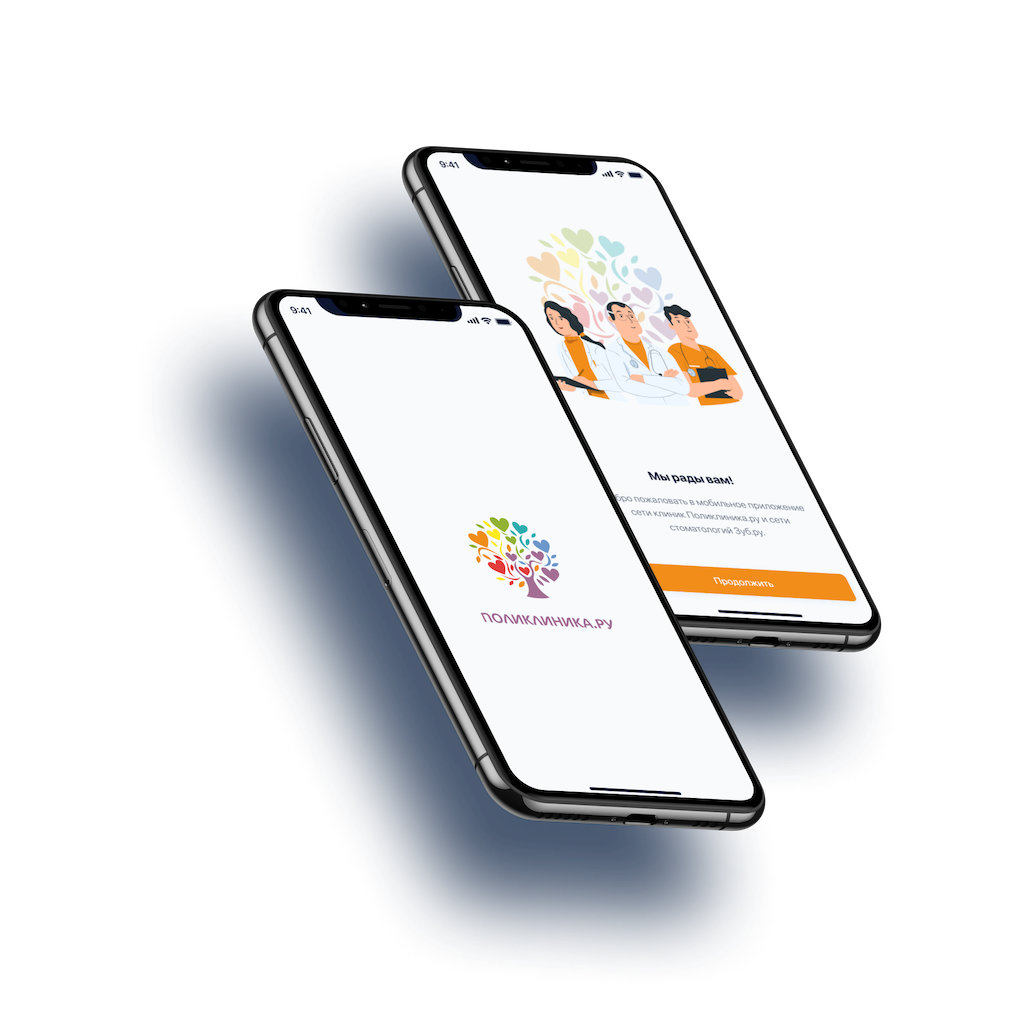
Polyclinica.ru — a mobile patient product

Polyclinica.ru — a mobile patient product

Rebuilt the application to remove third-party SDK constraints and introduced scalable architecture with a controlled integration layer.

  • iOS and Android
  • Independent architecture
  • Healthcare product integrations

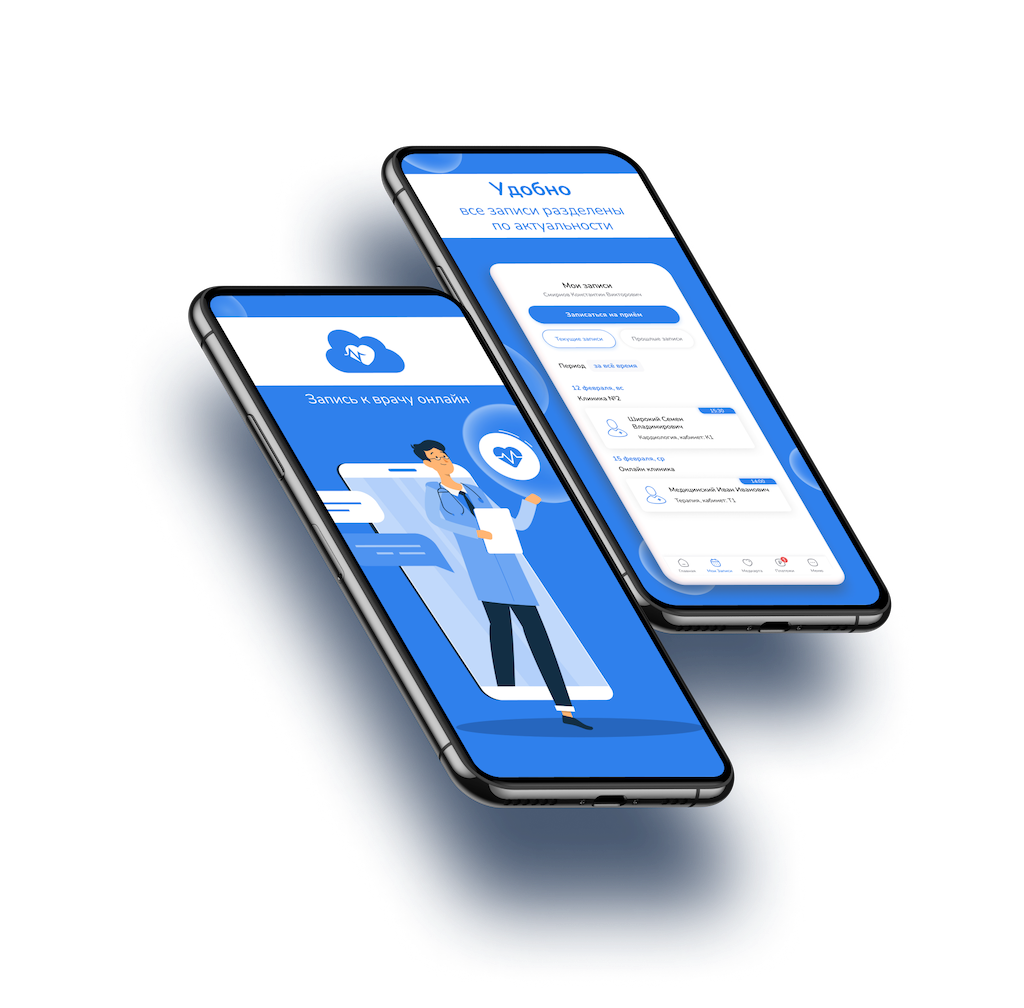
Infoclinica — healthcare application development

Infoclinica — healthcare application development

Redesigned the user experience, expanded functionality, and developed a white-label model for clinic-branded applications.

  • iOS and Android
  • White label for clinics
  • Continuous product development

Platform journeys

Booking and preparation

Specialist, slot, questionnaires, consent, and reminders.

Remote communication

Video, chat, or asynchronous exchange within an agreed workflow.

Documents and recommendations

Controlled transfer of materials and interaction results.

Payments and notifications

Payments, receipts, statuses, and service messages.

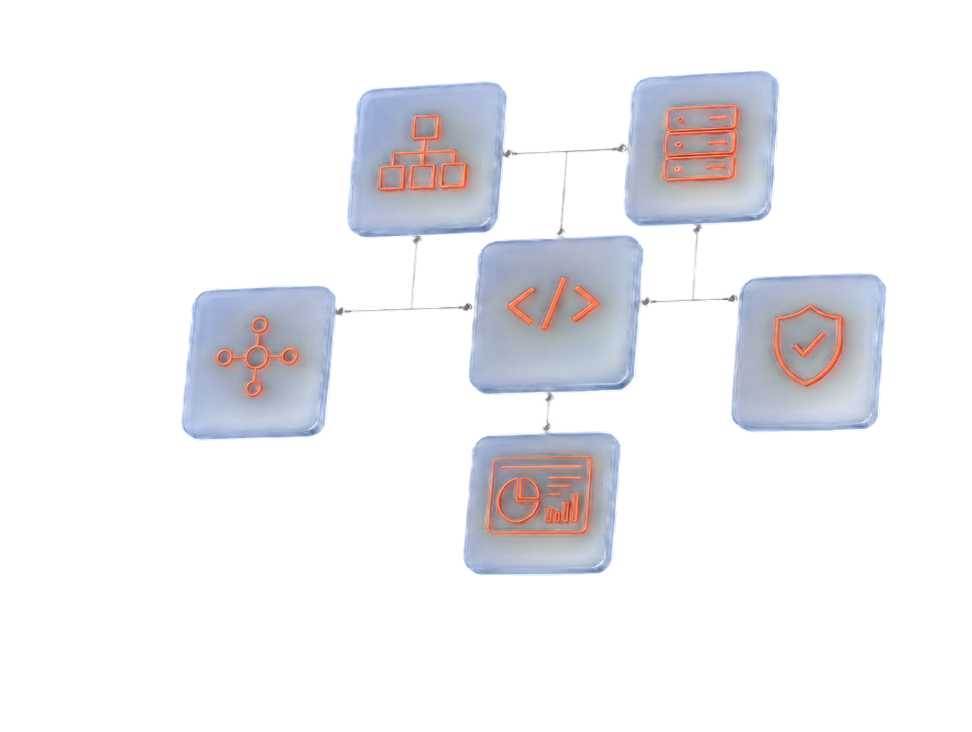
Integration layer

MIS and scheduling

Doctors, services, slots, appointments, and statuses.

Communication provider

Technology selected around quality, load, and operations.

Authentication and roles

Patient, doctor, operator, and administrator access.

Analytics and monitoring

Funnel events, technical metrics, and failure diagnostics.

Key decisions

Synchronous or asynchronous

Selected around the healthcare and operational journey.

Scaling

Concurrent sessions and peak load.

Resilience

Reconnection and clear journeys during network problems.

First-release boundaries

Required patient journey separated from later growth.

How the project works

  1. 01

    Discovery

    Clarify users, operations, systems, data, constraints, and first-release criteria.

  2. 02

    Analysis and architecture

    Define journeys, roles, data, APIs, system ownership, and error handling.

  3. 03

    UX/UI design

    Design interfaces around real data, states, and exception scenarios.

  4. 04

    Development

    Build frontend, backend, and integrations in short, verifiable iterations.

  5. 05

    Testing

    Validate functions, access, integrations, load scenarios, and data readiness.

  6. 06

    Launch and growth

    Support launch, analytics, and the roadmap for subsequent releases.

Frequently asked questions

Do you use an existing video provider?

The choice follows load, quality, data, and operating requirements.

Can it be embedded into a clinic app?

Yes, where the application architecture and integration options allow it.

Can schedules and payments be integrated?

Yes, when the relevant APIs and permissions are available.

When is the estimate ready?

Within one business day after journeys and systems are clarified.

Related healthcare services

MIS integration

Explore the scope, integrations, process, and estimate approach.

Request for the development of IT solutions

Leave a request, or call,
we will talk and fill out everything for you

Нажимая на «Принять», вы соглашаетесь с использованием аналитических cookie-файлов (они нужны для анализа использования сайта, улучшения сайта и сервисов), а также отслеживающих cookie-файлов.